The wildlife world is full of fascinating creatures, but when it comes to cuteness, the Fennec Fox stands at the top. Known for its oversized ears, silky fur, tiny body, and playful nature, the fennec fox is widely called “the cutest fox in the world.” This little desert animal is not only adorable but also smart, fast, and perfectly designed for survival in the harsh environment of the Sahara Desert.
Below is a complete 1000-word article written in a perfect RevBid-friendly tone — detailed, informative, engaging, and SEO rich.
Introduction: Smallest Fox, Biggest Charm
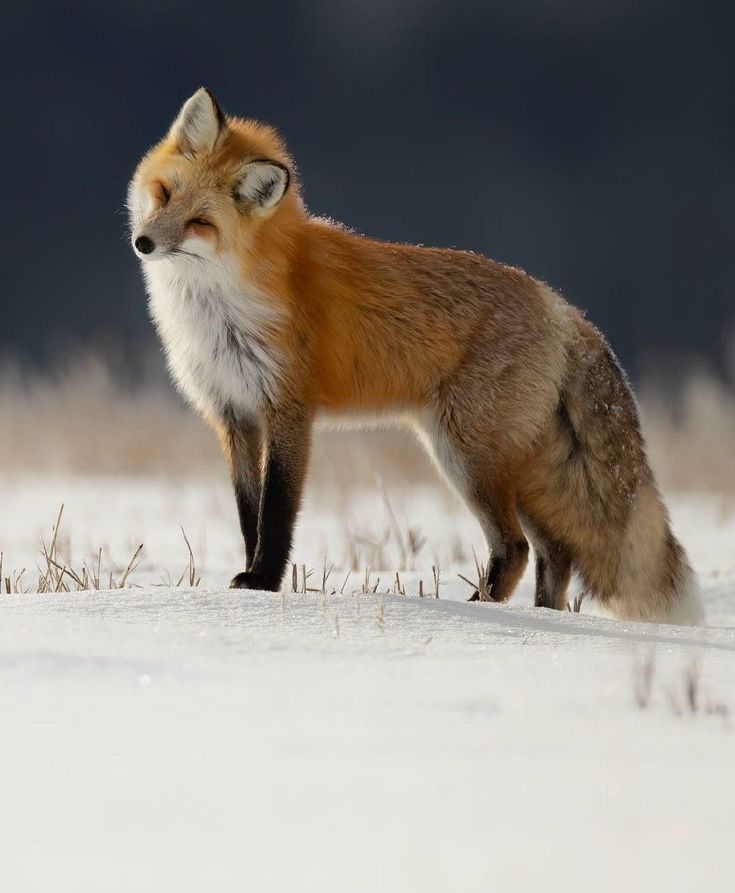
The Fennec Fox (Vulpes zerda) is the smallest fox species on earth, but its beauty and uniqueness are unmatched. With a body length of just 24–41 cm, this fox looks like a baby forever, even when fully grown. Its most eye-catching feature is its large ears, which can be as long as 15 cm — almost the size of its head! These ears are not just cute; they are powerful cooling and hearing tools that help the Fennec survive in hot desert climates.
People around the world love fennec foxes for their soft fur, innocent eyes, and curious personality. Many wildlife lovers even call them “living plush toys.” But behind this sweetness, there is a highly skilled hunter and intelligent desert survivor.
Habitat – Life in the Harsh Sahara Desert
The Fennec Fox is native to North Africa, especially the Sahara Desert — one of the hottest places on earth. Daytime temperatures can cross 45°C, food is scarce, and water is difficult to find. Yet, the Fennec lives here comfortably due to its natural adaptations.
Key features that help it survive:
| Adaptation | How It Helps |
|---|---|
| Big ears | Dissipate body heat + detect prey under sand |
| Thick fur | Protects from heat in the day and cold at night |
| Hairy feet | Act like shoes for hot sand |
| Nighttime behavior | Hunts during night to avoid heat |
While other animals struggle to survive in such weather, the Fennec Fox has mastered it. During the day, it stays inside deep sand burrows and becomes active mostly at night.

Physical Appearance – Big Ears, Tiny Body, Endless Cuteness
If someone sees a fennec fox for the first time, they may think it’s a cartoon character. Its beauty is unreal — round eyes, pointed nose, fluffy tail, and ears that look too large for its body.
Main physical characteristics:
- Size: 24–41 cm long
- Weight: 0.7–1.6 kg (lighter than a house cat)
- Ear length: Up to 15 cm
- Tail length: 18–31 cm
- Fur color: Pale cream or sandy white
The pale fur helps it blend with the desert sand for camouflage and also reflects heat. Its large tail acts like a blanket during cold desert nights, wrapping around its body for warmth.
Diet & Hunting – Smart, Silent, & Skilled
Despite its cute looks, the fennec fox is a clever hunter. Being nocturnal, it hunts mainly at night using its excellent sense of hearing. Its huge ears can detect even the sound of insects moving underground.
Diet includes:
- Insects
- Lizards
- Small birds
- Rodents
- Eggs
- Fruits & desert plants
One of the most surprising facts is that the fennec fox can survive long periods without drinking water. It gets hydration from food, especially plants and fruits. This ability makes it perfect for desert life.
Behavior – Playful, Curious & Social
Fennec foxes are highly social animals. They live in family groups called colonies, often containing up to 10 members or more. They communicate through:
- Soft chirping sounds
- Whines & barks
- Tail movements
- Body gestures
These foxes are playful, active, and love to jump, dig and explore. Baby fennec foxes (called kits) are extremely active and adorable, often seen chasing each other and wrestling like energetic kittens.

Reproduction & Life Cycle
The breeding season for fennec foxes usually begins in January or February. After a gestation period of 50–53 days, the female gives birth to 2–5 blind kits. These newborn kits are tiny, fragile, and weigh only around 50 grams.
Parents take great care of their babies. Kits open their eyes after about 10 days and start walking within a few weeks. They begin eating solid food after 4–5 weeks but stay with the family for months to learn survival skills. In the wild, a fennec fox can live 10 years, while in protected environments it may reach even 12–14 years.
Why Are Fennec Foxes so Loved Worldwide?
There are many foxes in the world, but fennec foxes have a special place in people’s hearts. Their cute expressions, gentle nature, and tiny size make them highly popular in documentaries, wildlife photography and even cartoons.
Reasons for their global popularity:
- Smallest fox species in the world
- Giant ears make them instantly recognizable
- Soft, fluffy, teddy-bear-like appearance
- Smart, playful, and energetic behavior
- Adaptability in extreme desert environments
Many people want to keep them as pets, but owning a fennec fox requires special care, space, temperature management and legal permission. They are wild animals, and their best place is the natural desert.

Conservation Status – A Species to Protect
Fortunately, the Fennec Fox is not currently endangered, but threats are increasing. Illegal pet trade, hunting for fur and habitat disturbance pose risks to their population. Awareness, conservation programs, and regulated protection are important to ensure they continue to thrive.
Protecting fennec foxes means preserving desert biodiversity, nature balance, and one of the most charming species on Earth.
Conclusion
The fennec fox is not just another wild animal – it is a tiny miracle of nature. From its big ears to its fluffy tail, from graceful survival skills to lovable innocence, everything about the fennec fox is unique. Living in harsh deserts yet maintaining a beautiful soft appearance makes it a symbol of strength and charm.