The Arctic Fox is one of the most astonishing animals found in the coldest corners of the world. Known as the fox of ice and snow, this beautiful creature lives in the Arctic tundra where temperatures fall far below freezing, food is scarce, and conditions are harsh enough to challenge even the toughest animals. Yet, despite such extreme environments, the Arctic Fox survives and thrives with intelligence, adaptability, and specialized physical features. The more we learn about this fascinating fox, the more we realize why it is considered one of nature’s greatest survivors.
A Creature Built for Ice & Snow
The Arctic Fox has one of the most impressive natural winter coats in the world. Its fur is thick, warm, and specially designed to protect it from temperatures that can drop to –50°C or lower. This soft white coat blends perfectly with snow, making the fox almost invisible to both prey and predators. The fur is not only on its body — it even covers the paws, helping the fox run across ice without slipping and without freezing its feet. This natural insulation works like a thermal blanket, keeping the Arctic Fox warm in conditions where most animals would not survive.
In warmer seasons, the Arctic Fox changes its coat color. The snow-white fur transforms into brown, gray, or dusty tan to match rocks and earth after the snow melts. This is an incredible adaptation, showing how intelligently this animal blends with its surroundings to avoid detection. Such camouflage keeps it hidden from wolves, polar bears, and eagles, who are known predators of the Arctic Fox.
A Hunter of Frozen Lands
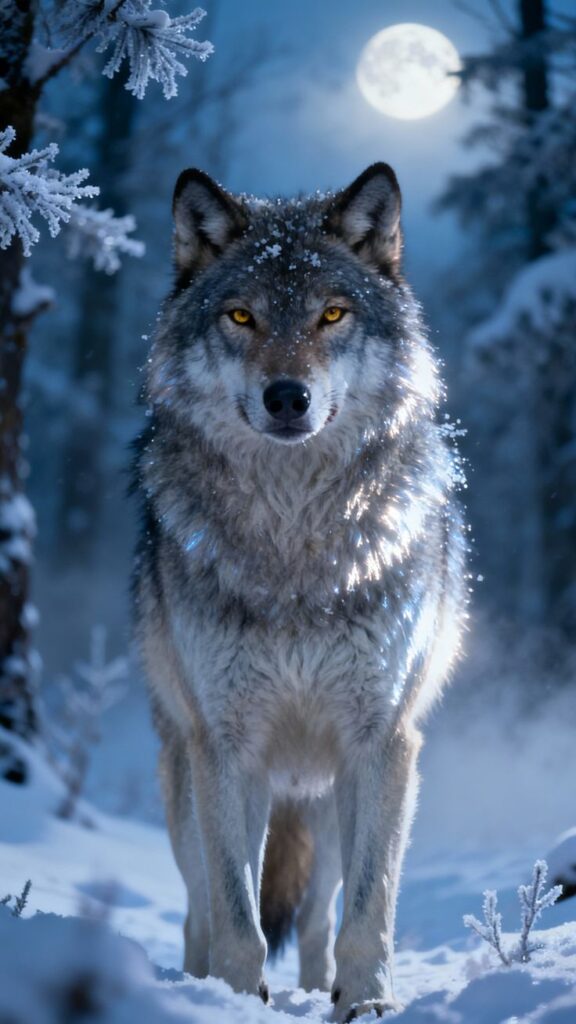
Food is one of the biggest challenges in the Arctic. Prey is limited, weather restricts movement, and long winters make survival difficult. Yet the Arctic Fox has developed sharp hunting senses to overcome these obstacles. It can hear the faint movement of animals beneath snow layers. When it detects prey such as lemmings, voles, or small birds, it performs a high jumping dive — just like the red fox technique — thrusting through the snow with precision to grab its meal.
Its diet is highly flexible. When small mammals are scarce, it eats fish, insects, eggs, berries, and even seaweed. In harsh winters, Arctic Foxes follow polar bears, waiting patiently for leftovers from their kills. This strategy requires patience, timing, and hidden observation — proving that the Arctic Fox survives 6through cleverness, not just strength.
Its intelligence is also visible in food storage habits. Arctic Foxes often save extra meat inside snow tunnels or bury it under ice. They remember these hidden storage spots and return to them when food becomes limited. Such memory-based survival shows a high level of adaptability in their behavior.
Life Under Extreme Conditions
The Arctic is more than just cold — it is a land of long nights and long days. During winter, darkness can last for months, while summer is filled with continuous daylight. The Arctic Fox adapts to both seasons naturally. It hunts at any hour, day or night, depending on food availability and weather conditions.
Female Arctic Foxes give birth in dens dug deep into snow or soil. These dens are built to keep the family warm and safe from predators. They have multiple entrances and tunnels for escape in case of danger. A mother fox may give birth to a large litter — sometimes up to 10 or even more kits. This is nature’s solution to survival: even if some kits do not make it through harsh winter, enough survive to keep the species alive.
Both parents help feed and protect the young, teaching them hunting skills as they grow. Kits begin exploring outside the den within a few weeks and learn the art of survival — stalking, listening, diving for prey — from observing their parents. By the time winter returns, the young foxes are ready to face the frozen world independently.
A Silent Traveler of Ice Fields
Arctic Foxes can travel long distances in search of food — sometimes hundreds of kilometers. One recorded fox traveled over 3,000 miles across the ice in a single year. This long-distance travel is possible due to strong legs, sharp survival instincts, and the ability to detect prey even across snowy plains.
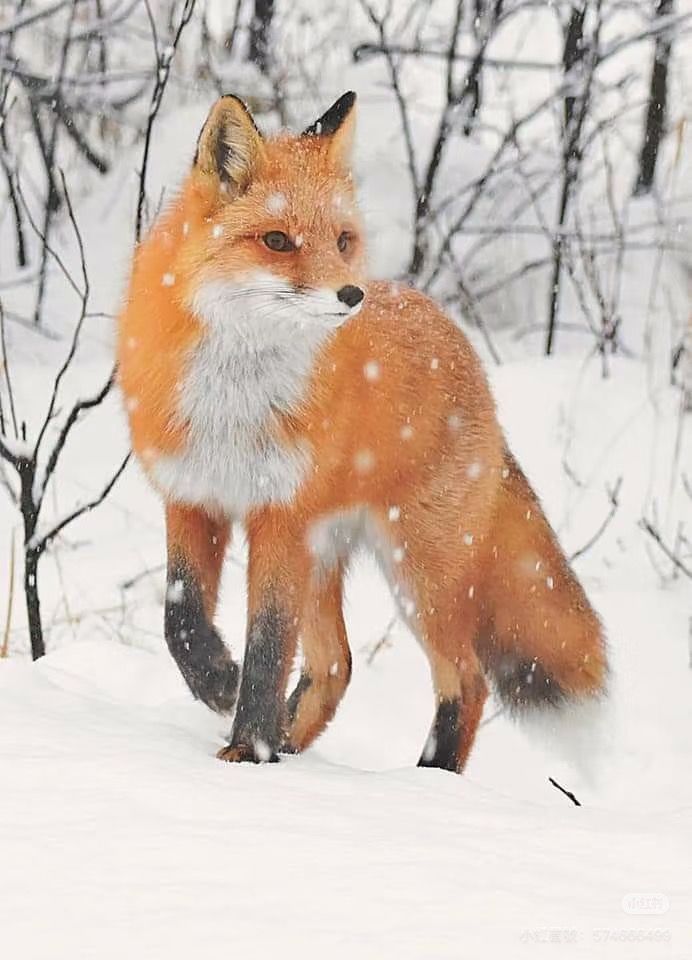
Their paws work like built-in snowshoes. The fur on their feet improves grip, allowing them to run quickly without sinking deep into snow. This fast movement helps them outrun predators and catch agile prey in the open tundra.
Another survival skill is their ability to reduce body heat loss. They curl into a round ball with the tail wrapped around the face during storms. This position preserves warmth and helps them sleep even during freezing winds. Their compact body shape and rounded ears also minimize heat escape, unlike animals with long ears like the desert fennec fox.
The Arctic Fox and Climate Change
While Arctic Foxes are strong survivors, climate change poses a growing threat. Rising temperatures melt ice faster, reducing hunting grounds and opening the Arctic to competition from red foxes, who move north into warmer tundra zones. Less snow means less camouflage. Warmer climate also affects the population of lemmings, one of the fox’s primary food sources. Without snow cover, these rodents decline in numbers, and the fox struggles to find food.
Despite these challenges, Arctic Foxes continue to adapt — but their future depends on the stability of the Arctic ecosystem. Conservationists believe protecting ice regions and reducing climate change impact is necessary to ensure the survival of this remarkable species.
Why the Arctic Fox Is a Symbol of Survival
Arctic Foxes are not just beautiful creatures — they are living proof of nature’s resilience. From their stunning white coat to their brilliant hunting techniques, every part of their existence is shaped by ice and survival. They are silent hunters, intelligent strategists, loving parents, and masters of adaptation.
Where many animals cannot last a day in the freezing Arctic, this fox thrives, hunts, raises families, and explores vast icy lands with grace and confidence. That is why the Arctic Fox truly deserves the title:
“The Fox of Ice & Snow.”
A creature shaped by winter, strengthened by storms, and guided by nature’s deepest intelligence.